Emergency Fund or Invest Now? The Internet’s Favorite False Choice

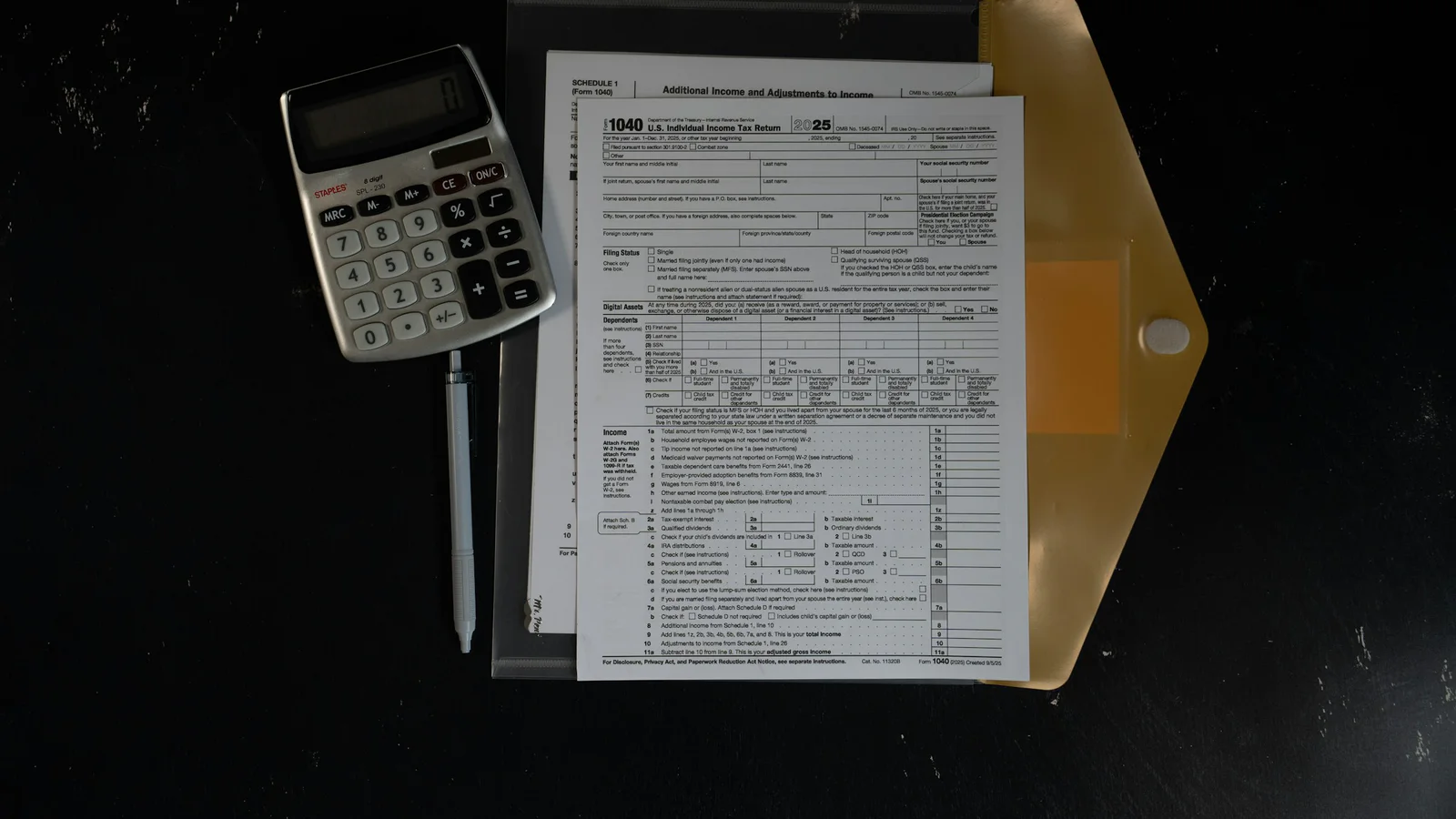
Image: OpenAI generated
Personal-finance debates love a clean command: hold six months of cash before investing anything, or invest every spare dollar because cash loses to inflation. Both turn a sequence into a team sport.
Emergency savings and long-term investments have different jobs. Cash absorbs short-notice expenses without forcing debt or a badly timed sale. Investments pursue long-horizon growth while accepting volatility.
Start with the first likely shock
Instead of waiting for a perfect “three to six months” target, price the expense most likely to destabilize the household:
- insurance deductible;
- urgent travel;
- car or appliance repair;
- a week or month of essential bills;
- income delay.
That amount becomes the starter buffer. Put it somewhere safe, liquid, and separate enough that routine spending does not consume it.
Then examine the opportunity cost
Some workers have an employer retirement match or similar benefit with unusually high immediate value. Some carry high-cost revolving debt. Some face unstable income or high insurance deductibles. The order should reflect those facts.
A reasonable sequence can be:
- cover current essentials and required minimum payments;
- build a starter emergency buffer;
- capture an employer match if available and suitable;
- reduce expensive debt;
- expand the emergency fund toward a risk-based target;
- increase long-term investing.
That is a framework, not a universal prescription.
Why “months of expenses” varies
A dual-income household with stable jobs, low fixed costs, strong insurance, and family support may need a different buffer from a single freelancer supporting dependents. Liquidity needs depend on income volatility, replacement time, health, housing, transportation, and access to credit.
Cash also has a cost: lower expected long-term return and loss of purchasing power. That does not make it useless. Insurance has a cost too.
Evidence before aesthetics
The CFPB’s research on emergency savings links savings levels with measures of financial security and shows why even modest liquid reserves can matter. Use the research as context, then build a household-specific target from actual bills and risks.
Sources and limits
Investment, tax, and benefit decisions depend on personal circumstances. This article is general education, not individualized financial advice.
Key takeaway
Cash and investments are not rivals. Build enough liquidity to prevent the next shock from becoming expensive debt, then grow long-term assets according to the household’s real risks and benefits.
emergency fundinvestingcash bufferpersonal finance