Check the Credit Report Before Chasing a Credit Score
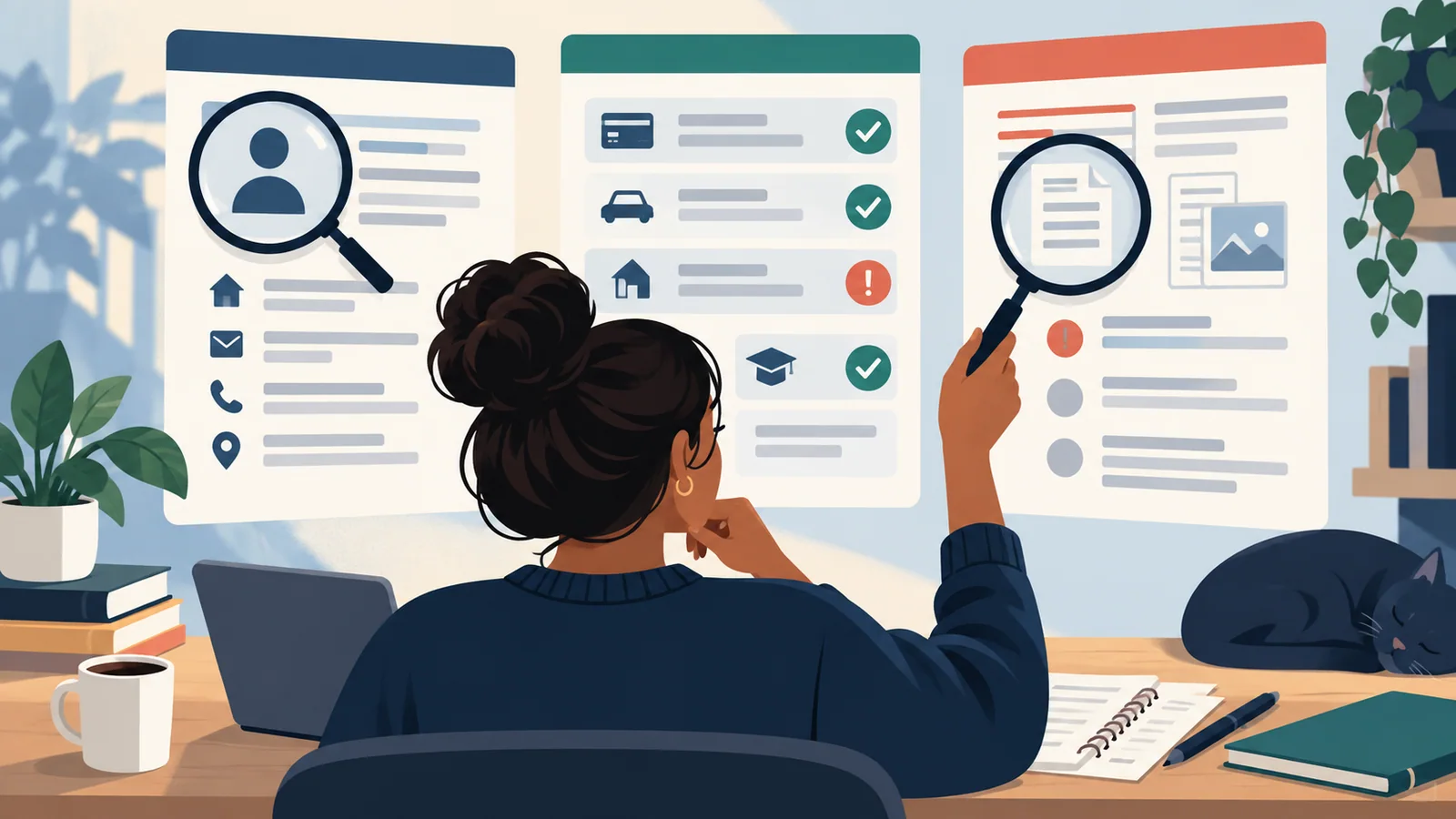
Image: OpenAI generated
There is no single universal credit score. Different models and lenders can use the information in a credit report differently. That makes the report itself the sensible place to start when a score changes unexpectedly.
Inspect the basics
Look for accounts you do not recognize, incorrect late payments, duplicate debts, wrong balances, outdated addresses, and accounts that should have been closed. Keep copies of the report and any dispute evidence. A dispute should identify the specific information you believe is inaccurate.
Build habits that work across models
Pay on time, avoid taking on payments that the budget cannot support, and understand the cost before applying for new credit. Do not close an account or open a new one solely to chase a score without considering fees, utilization, age, and the actual financial goal.
Use the official AnnualCreditReport.com site to request reports, and be cautious of sites that imitate government language or demand payment for a service that should be free.
Primary sources
credit reportscredit scorepersonal financeconsumer finance